Leaders who view contingency planning as a living discipline regularly reassess risk, adjust strategies, and ask the critical question: “What happens if this assumption changes?”
Whether whispered in kitchen conversations, splashed across social media, or cited by worried friends, this “magic number” has become something of a myth.
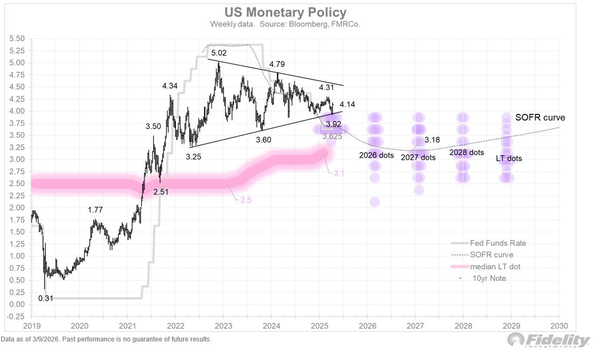
While the U.S. economy has become less sensitive to oil shocks compared to the 1970s, inflation remains persistent enough to keep central banks cautious. The Federal Reserve is not operating in a vacuum, it is responding to a system where inflation has proven more resilient than expected.
While the U.S. economy has become less sensitive to oil shocks compared to the 1970s, inflation remains persistent enough to keep central banks cautious. The Federal Reserve is not operating in a vacuum, it is responding to a system where inflation has proven more resilient than expected.
Leaders who view contingency planning as a living discipline regularly reassess risk, adjust strategies, and ask the critical question: “What happens if this assumption changes?”
Whether whispered in kitchen conversations, splashed across social media, or cited by worried friends, this “magic number” has become something of a myth.
Building wealth doesn’t have to be overwhelming. Think simple. Many people assume the government, CPP, OAS, or their company pension will be “enough.” The belief that someone else will take care of us creates comfort, dependance, and an unrealistic future.