By Sherri Claydon | Vancouver City News | November 3, 2026
Subscription to Vancouver News and being a Contributor is Free
Ottawa has designated the proposed $5.9-billion Roberts Bank Terminal 2 a project of national interest. The expansion would add major shipping capacity at the Port of Vancouver, supporting Canada's efforts to grow international trade while bringing new opportunities to Metro Vancouver.

On October 30, 2026, the federal government designated Roberts Bank Terminal 2, a proposed $5.9-billion container terminal in Delta, as a project of national interest.
The decision gives the expansion federal priority as it moves through remaining authorization and investment processes.
A 50% Increase in Port Capacity
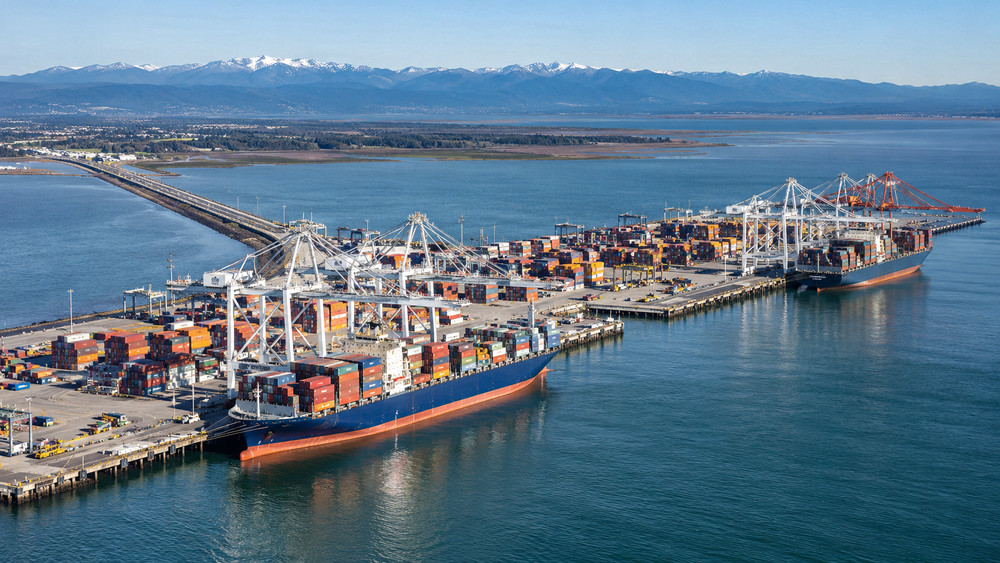
Roberts Bank Terminal 2 would add capacity for 2.4 million standard container units annually beside the existing Deltaport and Westshore terminals.
The expansion would include a new marine landmass, three container berths, a widened causeway and supporting cargo-handling infrastructure.
Located in Delta, the terminal would serve businesses across Canada through the Port of Vancouver's connections to railways, trucking networks and inland distribution centres.
Why Canada Needs More Pacific Shipping Capacity
Canada's plans to grow international trade depend on having enough capacity to move the goods.
The federal government wants to double exports to markets outside the United States by 2035. That ambition puts greater importance on Pacific shipping routes, particularly those connecting Canadian businesses with Asian markets.
Demand for container shipping is expected to grow. Without additional capacity, congestion at Canada's West Coast ports could increase shipping delays and transportation costs.
Ottawa estimates that, if capacity does not keep pace with demand, the resulting congestion could cost Canadian businesses an additional $800 million to $900 million a year, with those costs potentially emerging as early as 2031.
Roberts Bank Terminal 2 is intended to help meet that demand while supporting the railways, trucking companies, warehouses and distribution businesses that move goods between the port and customers across Canada.
Where Vancouver and Delta Businesses Stand to Benefit
Building a major marine terminal generates work across a wide range of industries.
Construction requires engineering, marine services, heavy equipment, building materials, transportation and specialized contractors. Those activities support businesses and workers throughout the development period.
Once the terminal is operating, additional cargo volumes would support ongoing activity in trucking, rail transportation, warehousing and distribution.
The federal government estimates that Roberts Bank Terminal 2 could support approximately 17,000 jobs across Canadian supply chains during operations.
Metro Vancouver's position as a major transportation and logistics centre places local businesses close to much of that activity, while the economic connections extend across the country.
The Economic Scale of the Proposed Expansion
Federal projections outlined on October 30 show the potential reach of Roberts Bank Terminal 2:
- $5.9 billion in capital investment, excluding financing costs
- 2.4 million additional standard container units of annual capacity
- Approximately 50% more container-handling capacity at the Port of Vancouver
- Up to $100 billion in potential annual trade capacity
- Approximately $3 billion in annual contributions to Canada's GDP
- Approximately 17,000 jobs supported across Canadian supply chains during operations
- More than $630 million in annual tax revenues
Why Roberts Bank Was Chosen
Roberts Bank offers something difficult to find along Canada's West Coast: space for a major container terminal alongside established port and transportation infrastructure.
The Vancouver Fraser Port Authority examined alternatives, including expanding existing facilities. Limits involving land, shipping access and transportation connections made those options less suitable for the proposed development.
The port authority selected Roberts Bank as a technically and economically feasible location beside the existing Deltaport and Westshore terminals.
The location also sits within the Fraser River estuary, an important habitat for fish, marine mammals and migratory birds. Protecting that environment became a central part of the federal review.
Environmental Protection Is Part of the Project's Approval
The federal government's 2023 approval of Roberts Bank Terminal 2 followed an environmental assessment that identified significant adverse effects on wildlife, habitat and Indigenous harvesting activities.
The review raised concerns involving juvenile Chinook salmon, Southern Resident killer whales, wetlands and migratory shorebirds, including Western Sandpipers that feed on the tidal flats at Roberts Bank.
The approval established 370 legally binding conditions covering environmental protection, monitoring and follow-up measures.
These requirements are intended to reduce environmental harm, track the project's effects and provide for further action when monitoring identifies specified problems. A $150-million financial security requirement also forms part of the approval framework.
The federal government has committed to maintaining the existing environmental conditions as the project proceeds through the national-interest process.
These protections matter beyond the boundaries of the terminal. The Fraser estuary supports wildlife, fishing and harvesting activities, and communities whose livelihoods and cultural connections depend on the health of the surrounding waters.
Tsawwassen First Nation's Role in Roberts Bank Terminal 2
Tsawwassen First Nation has been closely involved in negotiations concerning Roberts Bank Terminal 2, which is located within its territory.
The Nation has secured commitments involving environmental protections, harvesting activities, oversight and opportunities for economic participation.
In its October 30 statement, Tsawwassen First Nation confirmed its consent to the project while emphasizing the importance of honouring those commitments.
The Nation continues to express concern about the long-term health of the Fraser estuary and Salish Sea and has sought assurances that the national-interest process will preserve environmental protections and respect its treaty rights.
The federal government reports that 27 mutual benefit agreements have been established with First Nations in connection with the project, supporting opportunities such as employment, training and procurement.
Tsawwassen First Nation's continuing involvement will be important as environmental commitments and economic opportunities move from negotiated agreements into project delivery.
Federal Priority Brings the Next Decisions Into Focus
The October 30 designation gives Roberts Bank Terminal 2 a place among the federal government's nationally significant infrastructure priorities.
Under the Building Canada Act, designated projects can move through a consolidated process for remaining federal authorizations.
The government says the existing environmental conditions will remain in place.
Environmental organizations, including Ecojustice, have raised concerns about how the accelerated process will protect vulnerable species and habitat. Those concerns follow earlier legal challenges to the project's 2023 approval, which was upheld by the Federal Court in January 2025.
The remaining authorization process will determine how federal requirements are carried forward as the project moves toward a final investment decision.
A 2027 Investment Decision Could Set Construction Timing
In July 2026, the Vancouver Fraser Port Authority selected TerraMarine as the preferred construction partner for the proposed landmass and wharf.
The federal government now anticipates that Roberts Bank Terminal 2 could reach a final investment decision around mid-2027.
Its revised schedule points to commercial operations beginning in 2035, four years earlier than previously projected.
Completing the remaining authorizations and investment arrangements will determine when construction can begin.
For businesses connected to the project, the next stage will provide greater clarity about the timing of construction work, future cargo capacity and the opportunities associated with a larger Pacific trade gateway.
Why It Matters
Roberts Bank Terminal 2 could strengthen Canada's international trade network while creating new opportunities for Metro Vancouver businesses.
More shipping capacity strengthens Canada's access to international markets. Exporters gain room to reach overseas customers, while importers gain additional capacity to bring goods into Canada. With uncertainty affecting trade relations with the United States, stronger Pacific connections also support Canada's efforts to develop trading partners in Asia and other markets.
Increased trade supports business activity throughout Metro Vancouver. Construction creates work for contractors, suppliers and specialized services. Once operating, the terminal would support trucking, rail, warehousing and distribution businesses that move goods between the port and customers across Canada.
Environmental protection is essential to the project's long-term value. The Fraser estuary supports wildlife, fisheries, Indigenous harvesting activities and coastal communities. Protecting those resources matters to the people whose livelihoods and rights depend on the health of the region.
The real opportunity is to strengthen Canada's place in global trade while demonstrating how economic growth and environmental responsibility can move forward together.
By Sherri Claydon | Vancouver City News
LinkedIn: https://www.linkedin.com/in/sherriclaydon
Subscription to Vancouver News and being a Contributor is Free
Source Information
The article draws on the previously approved Roberts Bank Terminal 2 research and the following primary sources:
- Transport Canada — October 30, 2026 Announcement
Federal national-interest designation, economic projections and anticipated development schedule.
Transport Canada Announcement - Major Projects Office — Roberts Bank Terminal 2
Federal project status and coordination of remaining authorizations.
Major Projects Office Project Information - Impact Assessment Agency of Canada — Roberts Bank Terminal 2
Environmental assessment, federal approval and legally binding conditions.
Federal Environmental Assessment Registry - Tsawwassen First Nation — October 30, 2026 Statement
Consent, environmental concerns, treaty rights and negotiated commitments.
Tsawwassen First Nation Statement - Infrastructure BC — Roberts Bank Terminal 2
Construction procurement and preferred-partner information.
Infrastructure BC Project Information - Government of Canada — Building Canada Act
Legislative framework for designated national-interest projects.
Building Canada Act
Tags: #Sherri Claydon #Vancouver City News #Port of Vancouver #Delta BC #Vancouver Business #Canadian Trade #Port Expansion #Supply Chain #Infrastructure #International Trade