Karalee Greer | Vancouver News | April 17, 2026
Subscription to Vancouver News and being a Contributor is Free.
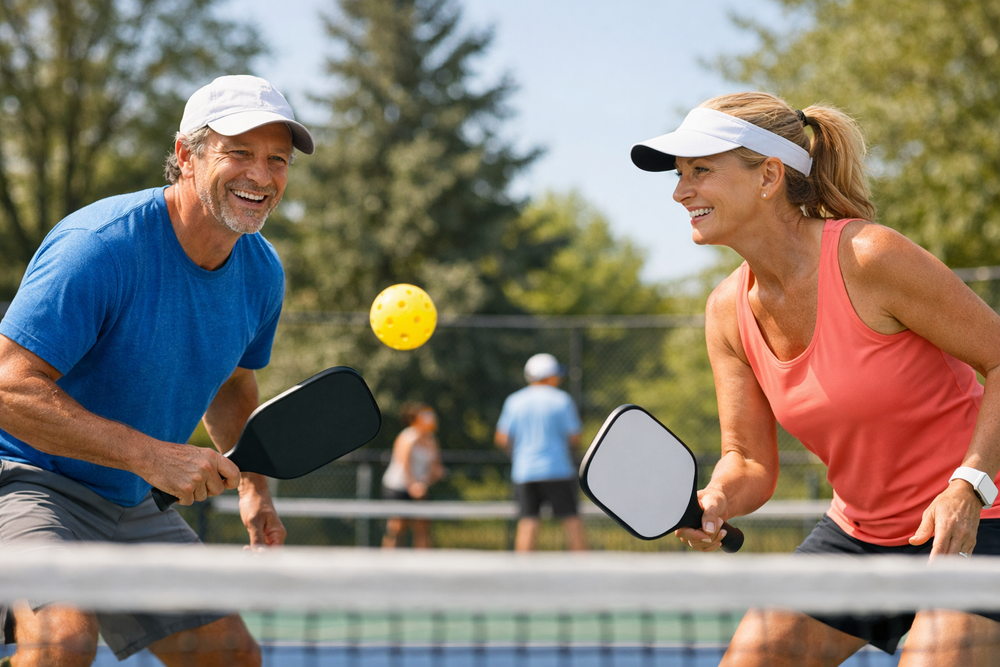
I recently came across a claim that caught my attention: playing racket sports like tennis or pickleball could add nearly a decade to your life.
At first glance, it sounds almost too good to be true. Could one type of activity really make that much of a difference?
So I decided to look a little closer at what the research actually says.
The claim traces back to findings from the Copenhagen City Heart Study, published in Mayo Clinic Proceedings. This long-term study followed thousands of people and compared different types of physical activity with life expectancy. It found that people who played tennis appeared to live longer than those who were inactive, and even longer than those who participated in activities like jogging or cycling.
https://pubmed.ncbi.nlm.nih.gov/30193744/
But what stood out to me wasn’t just the numbers — it was how easy it would be to misunderstand them.
This type of research is observational. It shows patterns, not direct cause and effect. In other words, it doesn’t prove that playing tennis itself adds years to your life. It suggests that people who play these kinds of sports tend to live longer, but there are likely other factors involved.
And when you start to look at those factors, things get more interesting.
Racket sports naturally combine several elements that are each independently linked to better brain and overall health. There’s the physical movement, which supports cardiovascular function. There’s coordination and quick decision-making, which engage multiple areas of the brain. And there’s something that seems simple but is increasingly recognized as important: social connection.
Most racket sports are played with other people. There’s interaction, communication, and often a sense of community. Over time, that kind of regular social engagement may be just as important as the physical activity itself.
What I found most useful in looking into this wasn’t a single headline or statistic, but a shift in how I think about exercise.
Instead of asking, “What’s the best workout?”, it becomes more interesting to ask, “What kinds of activities naturally bring together movement, mental engagement, and connection?”
For many people, racket sports seem to do exactly that. But they’re not the only option.
The bigger takeaway may be less about choosing a specific sport, and more about finding activities that you’ll keep coming back to, especially the ones that involve other people.
That combination may be where the real value lies.
Series Note
This article is part of the Do Some Activities Really Add Years to Your Life? A Closer Look at Brain Health and Longevity series.
Karalee Greer | Vancouver News LinkedIn: https://www.linkedin.com/in/karalee/ Subscription to Vancouver News and being a Contributor is Free.
Tags: #Brainnovation Network #Karalee Greer #Brain Health #Neuroscience #Cognitive Longevity #Exercise & Longevity