By Peachy Magistrado | Vancouver City News | August 12, 2026 Editor: Karalee Greer
Subscription to Vancouver News and being a Contributor is Free
Coming home from the hospital can be a welcome milestone, but recovery does not end when a patient is discharged. The first days and weeks at home can involve new medications, follow-up appointments, mobility challenges and changes to everyday routines.
A well-planned transition can help patients and their families feel more confident while supporting a safer recovery. Here are six areas families should consider when preparing for care at home.
Start With A Clear Discharge And Care Plan
Before leaving the hospital, patients and families should understand the discharge instructions and know what happens next.
A care plan may include follow-up appointments, medication instructions, dietary recommendations, activity restrictions, wound-care directions and information about symptoms that require medical attention.
Professional home care can complement this plan by helping clients follow established routines and providing assistance with everyday activities.
Pay Close Attention To Medications
Returning home may involve starting new medications, stopping others or changing dosages.
Medication errors can occur when instructions are unclear or several prescriptions need to be managed at once. Patients and families should leave the hospital with an up-to-date medication list and understand when and how each medication should be taken.
Where appropriate, regulated healthcare professionals can provide medication-related clinical support. Non-medical caregivers can assist with permitted reminders and routines within their scope of practice.
Know The Warning Signs
Families should understand which changes are expected during recovery and which require medical attention.
Warning signs vary according to the illness, procedure and individual patient. They may include worsening pain, unusual swelling, fever, breathing difficulties, confusion or other symptoms specifically identified in the patient's discharge instructions.
Rather than relying on a general list, patients should follow the instructions provided by their healthcare team and know whom to contact when something does not seem right.
For a medical emergency, call 911.
Encourage Safe Movement
For some patients, appropriate movement is an important part of recovery. It may help rebuild strength and maintain mobility after a hospital stay.
However, activity should follow the recommendations of the patient's physician, physiotherapist or other healthcare professional. What is appropriate for one person may not be safe for another.
Caregivers can provide practical support with walking, transfers and everyday activities when these services are included in the client's care plan.
Make The Home Safer
A familiar home can still present challenges for someone recovering from an illness, injury or surgery.
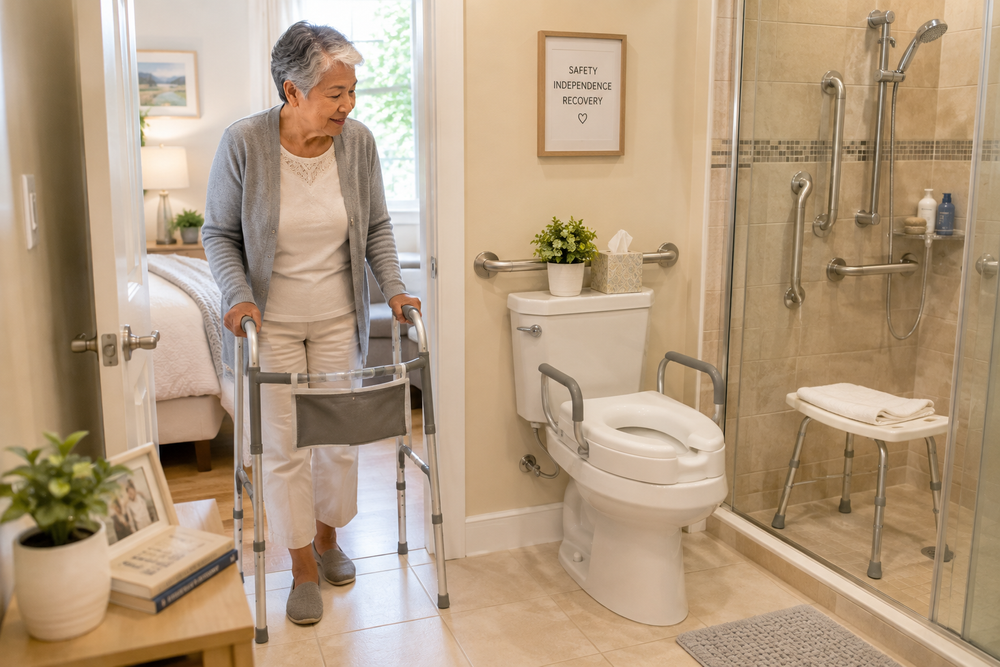
Before the patient arrives home, families can look for potential hazards such as loose rugs, cluttered walkways, poor lighting and slippery bathroom surfaces.
Depending on the person's needs and professional recommendations, safety improvements could include grab bars, non-slip surfaces, mobility aids or rearranging frequently used items so they are easier to reach.
Small changes can make everyday activities safer and reduce unnecessary strain during recovery.
Don't Overlook Emotional Recovery
Recovery is not only physical.
After a hospital stay, some people may feel tired, anxious, isolated or frustrated by a temporary loss of independence. Having someone available for conversation, companionship and practical assistance can make the transition home feel less overwhelming.
Family members, friends and professional caregivers can all be part of that support network.
Support For Families Matters Too
Family caregivers often become responsible for transportation, meals, appointments, household tasks and personal care while also trying to understand medical instructions.
Professional home care can provide additional support and give family caregivers time to manage their own responsibilities.
The goal should not be to replace family involvement, but to build a care arrangement that works for everyone.
Why It Matters
A hospital discharge is a transition, not the end of recovery.
Planning ahead, understanding medical instructions, creating a safer home and arranging appropriate support can help patients and families navigate that transition with greater confidence.
For families who need additional assistance, Peachtacular Home Health Care provides personalized home care services in Vancouver. Families can contact Peachtacular to discuss the type of support that may be appropriate following a hospital stay.
About The Author
By Peachy Magistrado | Vancouver City News Founder | Peachtacular Home Health Care
I believe every senior deserves compassionate, respectful care that promotes dignity, independence, and quality of life. My goal is to help families find personalized home care solutions that allow their loved ones to remain safe, comfortable, and supported in the place they call home.
🌐 Website: https://peachtacularhhc.com
Editor: Karalee Greer
Subscription to Vancouver News and being a Contributor is Free
Medical Disclaimer
This article is for general informational purposes only and is not medical advice. Individual recovery needs vary. Patients should follow their hospital discharge instructions and consult their physician or other qualified healthcare professional regarding medical concerns, medications, symptoms and activity following hospitalization.
Tags: #Senior Care #Home Care #Caregivers #Independent Living #Vancouver City News #Peachy Magistrado #Hospital Discharge #Recovering At Home
Sources
- HealthLink BC – Leaving The Hospital And Planning For Care At Home
- Government of Canada – Safe Medication Use
- Canadian Patient Safety Institute – Transitions In Care
- Public Health Agency of Canada – Seniors And Fall Prevention
- Peachtacular Home Health Care – Home Care Services
Excerpt
Coming home from hospital is only the beginning of recovery. Peachy Magistrado shares six ways families can help make the transition safer and easier.