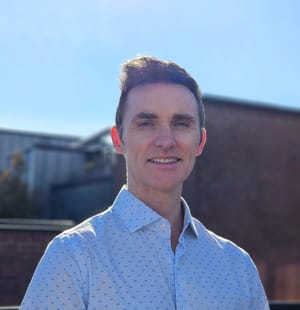
By Keith Donoghue | Vancouver City News | September 08, 2026
Editor: Karalee Greer
Subscription to Vancouver News and being a Contributor is Free
A Vancouver homeware retailer ships an order on Tuesday. The customer receives it Thursday, opens the package, likes the purchase, and gets on with their day.
By Saturday, several other retailers have contacted them. The business they just purchased from has sent nothing beyond the original order confirmation.
The Customer Is Still Paying Attention
The days immediately following a purchase are valuable because the customer is still engaged with both the product and the business.
Research compiled by Sender found that first-time buyers receiving personalised post-purchase communication showed 45 percent higher second-purchase rates than customers who received nothing.
The message does not need to be complicated. It might be a useful product tip, a care guide, a genuine thank you, or a relevant suggestion.
What matters is timing.
Retention Changes The Economics
Bain and Company's widely cited customer retention research found that acquiring a new customer can cost five times more than retaining an existing one.
That makes a second purchase fundamentally different from finding another first-time customer. The business has already paid the acquisition cost and established the relationship.
For a retailer that generated 500 new customers last year, those customers represent 500 existing relationships that can potentially be developed further.
Turn Follow-Up Into A Process
A simple post-purchase workflow can start when an order is fulfilled.
A thank you can arrive shortly afterward. Useful information related to the purchase can follow a few days later. A softer reminder or relevant recommendation can arrive after two weeks.
Once the sequence is established, the owner does not need to remember each customer individually.
The system responds to the purchase while the customer is still engaged.
Why It Matters
This is not just about follow-up emails. It reflects a broader shift.
Retail growth does not always require more advertising or more first-time customers.
Businesses that maintain relationships after the first purchase have another source of growth already sitting inside their customer database.
Keith Donoghue | Vancouver City News Keith Donoghue is the founder of Highridge AI Consulting, helping Vancouver small businesses reduce manual work and run more efficient operations.
Website: Highridge AI Consulting
Email: keith@highridgeai.com
LinkedIn: keith-donoghue
Video Examples: Highridge AI Video Examples
Instagram: @highridgeaiconsulting
Facebook: Highridge AI Consulting
Tags: #Vancouver City News #Keith Donoghue #Vancouver Business #Small Business #AI Adoption #Automation #Productivity #Entrepreneurship