By Keith Donoghue | Vancouver City News | August 21, 2026
Editor: 
Karalee Greer
Subscription to Vancouver News and being a Contributor is Free

A Vancouver physiotherapy clinic schedules 80 appointments in a typical week. At a 15 percent no-show rate, 12 of those appointments end with an empty treatment room.

The clinician is available. The room is prepared. The time cannot be recovered.

Research commonly places outpatient no-show rates between 10 and 20 percent, with some specialties experiencing significantly higher levels. Clinical literature has also estimated the unrealised revenue associated with a missed appointment at roughly $200 per slot.

Using a more conservative figure of $150 CAD, 12 missed appointments represent $1,800 in lost weekly revenue. Across a 48-week operating year, that reaches $86,400.

That calculation does not include the administrative effort involved in contacting patients, rearranging schedules, or attempting to fill a cancellation at short notice. It also excludes the potential impact on patients when follow-up care is delayed.

There is also a recovery opportunity. Research from Clinekt Health reported that refilling two vacant appointments per working day could recover approximately 42 appointments each month. It also found that 82 percent of patients attempt to book or cancel outside normal business hours.

That creates an operational mismatch for clinics relying entirely on staff to manage cancellations and waiting lists during office hours.

Automated appointment reminders can help reduce no-shows. A structured sequence might include confirmation when the appointment is booked, another reminder 48 hours beforehand, and a final reminder on the day.

The purpose is not simply to send more messages. It is to identify cancellations earlier, give patients an easier way to respond, and create more time to offer the slot to someone waiting.

Why It Matters

This is not just about missed appointments. It reflects a broader shift.

For clinics with limited treatment capacity, unused appointments represent inventory that disappears at the end of each day.

Improving reminders, cancellations, and waitlist processes can help recover capacity that has already been staffed and paid for.

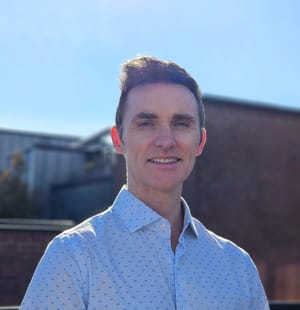
Keith Donoghue | Vancouver City News Keith Donoghue is the founder of Highridge AI Consulting, helping Vancouver small businesses reduce manual work and run more efficient operations.

Website: Highridge AI Consulting
Email: keith@highridgeai.com
LinkedIn: keith-donoghue
Video Examples: Highridge AI Video Examples
Instagram: @highridgeaiconsulting
Facebook: Highridge AI Consulting

Tags: #Vancouver City News #Keith Donoghue #Vancouver Business #Small Business #AI Adoption #Automation #Productivity #Entrepreneurship

Share this article
The link has been copied!