Canada’s AI strategy gives small businesses funding, guidance, and assessment tools. The decision to start still belongs to the owner.
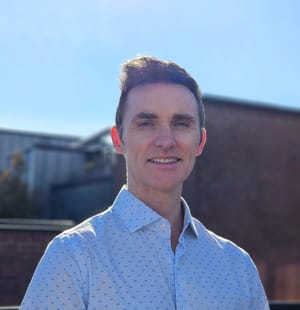

By Keith Donoghue | Vancouver City News | July 21, 2026
Editor: 
Karalee Greer
Subscription to Vancouver News and being a Contributor is Free

The Clarity Gap

A Vancouver accounting firm owner reads about the AI for All strategy in a news article on a Thursday morning. She agrees Canada is behind. She closes the tab and goes back to processing client files by hand.

The strategy has a name for her situation. Canada’s federal AI for All document describes the barrier not as resistance, but as a clarity problem. Most Canadian SME owners agree AI is important. Fewer have a practical path from where they are today to a first working system.

The federal government is trying to build that path. The Business Development Bank of Canada’s LIFT program is directing $500 million toward helping Canadian SMEs access financing to adopt AI tools. The program pairs businesses with industry advisors before money is spent, so owners can identify where to start before committing to a tool or platform.

What The Strategy Wants Owners To Do

Alongside financing, the federal strategy is developing a national AI literacy and adoption assessment tool. The goal is practical: help a small business owner identify which workflow is the right first candidate for automation, and understand what a realistic outcome looks like before they begin.

Neither program requires a business to already know what it wants to automate. That is the point. The gap between experimenting and deploying is not mainly a funding gap. It is a clarity gap.

For owners unsure how to move from interest to action, Highridge AI explains what to expect when working with an AI consultant.

Why It Matters

This is not just about federal policy. It reflects a broader shift in how Canadian small businesses will be expected to modernize.

Canada wants to increase business AI adoption from just over 12 percent today to 60 percent by 2034. That gap will not close without individual businesses deciding to start.

The accounting firm owner who closed the tab is not unusual. She is the majority.

The programs being built are designed for her. The question is whether she will still be deciding when the businesses that started early have already moved on.

A practical example of daily operational AI is inbox sorting and email triage automation, where routine admin starts moving through a workflow instead of sitting on the owner’s desk.

Keith Donoghue | Vancouver City News Keith Donoghue is the founder of Highridge AI Consulting, helping Vancouver small businesses reduce manual work and run more efficient operations.

Website: Highridge AI Consulting
Email: keith@highridgeai.com
LinkedIn: keith-donoghue
Video Examples: Highridge AI Video Examples
Instagram: @highridgeaiconsulting
Facebook: Highridge AI Consulting

Tags: #Vancouver City News #Keith Donoghue #Vancouver Business #Small Business #AI Adoption #Automation #Productivity #Entrepreneurship

Share this article
The link has been copied!