By Keith Donoghue | Vancouver City News | May 29, 2026
Editor: Karalee Greer
Subscription to Vancouver News and being a Contributor is Free.
Most small business AI experiments do not fail because of the tool. They fail because the process was not mapped before the tool was switched on.
It is rarely the software. It is almost always the absence of process discipline before the software arrives.
The Tool Was Not The Problem
A Mount Pleasant retailer signs up for Zapier. She sets up two automations over a weekend.
By Monday, one has been firing the wrong action for sixteen hours. She turns it off.
Looking to Reduce Your Credit Card Fees? Click here
Two weeks later, she signs up for another tool. Same outcome.
By month three, she has decided AI does not work for her business.
The conclusion is wrong. The setup was the issue.
When small business AI experiments fail, the post-mortem usually blames the software. The software is rarely at fault.
The same tools that fail in one business work cleanly in another.
The difference is what happens before the tool gets switched on.
The process is mapped. The exceptions are written down. The success measure is defined.
Without those, no tool works. With those, almost any tool can.
The work is done before the software is opened, not after.
The Three Most Common Failure Patterns
Across small businesses that try and stall, three patterns repeat.
The first is starting with the wrong task. Owners go after the most painful process, which is usually also the messiest.
They do not start with the cleanest one.
The second is no measurement. The owner has no baseline, so they cannot tell whether the new setup is faster or slower.
The third is abandoning at the first friction point. A workflow that breaks once gets switched off rather than fixed.
None of these are technical issues. They are operational ones.
Discipline Beats Tool Selection
Fifteen years inside HSBC and RBC made one thing clear. The institutions that ran well were not the ones with the newest software.
They were the ones with disciplined processes.
The same is true for a Vancouver SMB.
Lean Six Sigma was built for this exact problem. Map the work. Remove the waste. Then automate what remains.
That sequence works at any scale.
The order matters. Reverse it and the project usually fails.
Why It Matters
This is not just about AI tools, it reflects a broader shift in how Vancouver small businesses need to approach operational change.
Most failed experiments are recoverable.
The work is to go back to the process, not the tool.
Once the process is mapped, the tool choice usually becomes obvious.
What changes once the first automation lands is not just hours saved. It is how the owner thinks about the rest of the business.
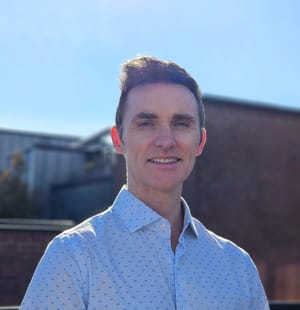
Keith Donoghue | Vancouver City News Keith Donoghue is the founder of Highridge AI Consulting, helping Vancouver small businesses reduce manual work and run more efficient operations.
Website: Highridge AI Consulting
Email: keith@highridgeai.com
LinkedIn: keith-donoghue
Youtube:@HighridgeAIConsulting
Instagram: @highridgeaiconsulting
Facebook: Highridge AI Consulting
Editor: Karalee Greer
Subscription to Vancouver News and being a Contributor is Free
Tags: #Vancouver City News #Keith Donoghue #Vancouver Business #Small Business #Automation #AI Tools #Productivity #Entrepreneurship