The first automation is a proof. Twelve months on, the proof has become the operating model.
By Keith Donoghue | Vancouver City News | July 07, 2026
Editor: Karalee Greer
Subscription to Vancouver News and being a Contributor is Free
What The Calendar Looks Like
A Commercial Drive gift shop owner describes her Tuesday morning.
She arrives at nine. There are no weekend emails requiring urgent replies. Stock alerts ran overnight and flagged two items needing reorder. One wholesale enquiry that came in on Saturday has already received an acknowledgement.
She makes coffee and looks at the week.
A year after the first automation, the working day looks different in a specific way.
The reactive layer is smaller.
The Monday morning triage that used to take an hour takes fifteen minutes. The tasks that used to expand to fill the available time now have defined bounds.
The owner’s calendar has gaps that did not exist before.
Not because the business is quieter. Because the business is handling more of its own operational work.
What Is Running In The Background
Most of what runs automatically at the twelve month mark did not exist at the start of the year.
Supplier reorder alerts. Customer follow-up sequences. Review requests going out after a purchase. Booking confirmations routing without anyone composing them.
None of this was switched on all at once.
It accumulated, one working automation at a time.
Each one small. Together, significant.
What The Owner Is Doing Instead
The recurring pattern from owners at this stage is not that they are doing less.
It is that they are doing different things.
The time that was spent on operational throughput is being spent on decisions and relationships that move the business forward.
A new product range that needed thinking time.
A supplier relationship that needed more attention.
A customer segment that needed a different approach.
None of those happened while the owner was drafting the same reminder for the fourth time that week.
Why It Matters
This is not just about automation. It reflects a broader shift in how Vancouver small businesses mature operationally.
The first automation is not the destination.
It is the starting point of a different way of running the business.
Twelve months later, most owners say the same thing.
They cannot clearly explain how they ran it before.
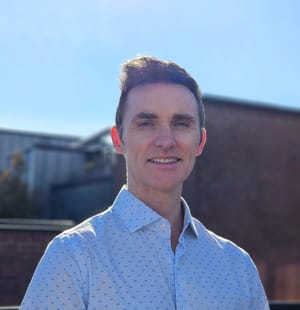
Keith Donoghue | Vancouver City News Keith Donoghue is the founder of Highridge AI Consulting, helping Vancouver small businesses reduce manual work and run more efficient operations.
Website: Highridge AI Consulting
Email: keith@highridgeai.com
LinkedIn: keith-donoghue
Video Examples: Highridge AI Video Examples
Instagram: @highridgeaiconsulting
Facebook: Highridge AI Consulting
Editor: Karalee Greer
Subscription to Vancouver News and being a Contributor is Free
Tags: #Vancouver City News #Keith Donoghue #Vancouver Business #Small Business #Automation #AI Tools #Productivity #Entrepreneurship