Not every process should be automated first. Vancouver owners need to look for repetition, rules, and documentation before choosing where to start.
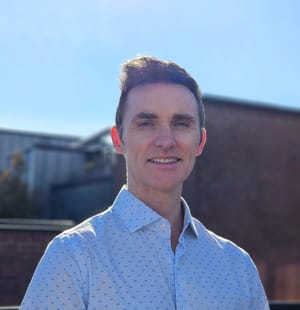

By Keith Donoghue | Vancouver City News | May 26, 2026
Editor: 
Karalee Greer
Subscription to Vancouver News and being a Contributor is Free.

Three simple signals separate the work that should be automated from the work that should not be touched yet.

The Wrong Starting Point

A trades business owner near False Creek tries to set up a quoting workflow. Halfway through, he realizes every job is slightly different.

Pricing depends on access. On hours of the day. On whether the client has done work like this before.

The workflow stalls. He concludes automation does not work for his business.

The conclusion is wrong. The starting point was.

SPONSORED

Looking to Reduce Your Credit Card Fees? Click here

The First Signal Is Repetition

A process is ready to be automated when it happens often enough to matter.

A task done twice a year is not worth the setup time. A task done twice a week may be.

The smaller the business, the higher the threshold should be. Setup time is real. The math has to clear it.

Most Vancouver operators find their best candidates are the tasks they do daily without thinking.

Those are usually the ones quietly eating the most time.

The Second Signal Is Rules

A process is ready when the steps follow rules. Even loose ones.

If the answer is always “it depends,” and the “it depends” part lives only in the owner’s head, the process is not ready yet.

It needs to be written down first.

Rules can be conditional. They can have branches. They cannot be invisible.

Operational discipline is the part most owners skip. It is also the part that decides whether the project lands or stalls.

The Third Signal Is Documentation

A process is ready when someone who is not the owner could follow it from a written page.

Not perfectly. Closely enough.

If the only way a process gets done is by the owner doing it, the process is still tribal knowledge.

That is fixable. It is also unavoidable work.

A common pattern in Vancouver trades businesses illustrates this. The estimating process works, but only because the owner remembers the variables.

Access to the site. Day-of-week pricing. Material premiums for known clients.

None of it is written anywhere.

Once those variables are written down, the workflow becomes clear. The work is to make the invisible visible. Then automation has something to lock onto.

Why It Matters

This is not just about automation, it reflects a broader shift in how Vancouver small businesses need to prepare their operations for scale.

If a process repeats, follows rules, and can be written down, it is automation-ready.

If any of those are missing, the work is to fix them first.

That is operations work, not technology work.

Even with a ready process, most small business AI experiments still fail. The reasons are not what most owners assume.

Keith Donoghue | Vancouver City News Keith Donoghue is the founder of Highridge AI Consulting, helping Vancouver small businesses reduce manual work and run more efficient operations.

Website: Highridge AI Consulting
Email: keith@highridgeai.com
LinkedIn: keith-donoghue
Youtube:@HighridgeAIConsulting
Instagram: @highridgeaiconsulting
Facebook: Highridge AI Consulting

Editor: Karalee Greer
Subscription to Vancouver News and being a Contributor is Free

Tags: #Vancouver City News #Keith Donoghue #Vancouver Business #Small Business #Automation #AI Tools #Productivity #Entrepreneurship

Share this article
The link has been copied!