Switching an automation on is not enough. Vancouver small businesses need simple numbers to know whether the workflow is actually improving the operation.
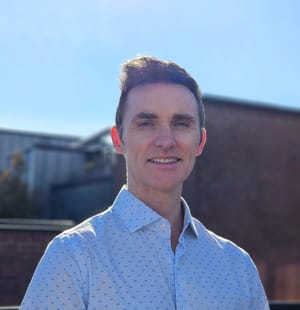
By Keith Donoghue | Vancouver City News | June 19, 2026
Editor: Karalee Greer
Subscription to Vancouver News and being a Contributor is Free
The Baseline Problem
A South Granville marketing consultant sets up an automated follow-up sequence for new enquiries.
Three weeks later, a potential client mentions they never received her reply.
The automation had been running. The emails had been going out. They were landing in spam.
Most small business owners do not have a baseline before they automate. They do not know how long things took before, how many follow-ups were sent, or what the response rate was.
When the automation runs, there is nothing to compare it against.
Without a baseline, success and failure look identical from the outside.
Three Numbers Worth Tracking
Three numbers tell most of the story.
The first is response time. How long from a customer action to a reply going out. Before automation, this is often measured in hours. After a working automation, it should be measured in minutes.
The second is follow-up rate. What percentage of enquiries, abandoned bookings, or open quotes received a follow-up. The automation should move this number significantly.
The third is completion rate. If the automation is designed to prompt a customer action, what percentage are actually completing it?
A low completion rate means the automation is running, but not working.
What To Do At 30 Days
At 30 days, check whether the three numbers have moved.
If response time is faster but conversion is unchanged, the automation may be running correctly, but something else is blocking the result.
If follow-up rate improved but completion dropped, the content of the follow-up needs attention.
Why It Matters
This is not just about automation. It reflects a broader shift in how Vancouver small businesses need to measure operational improvement.
Switching something on and hoping it works is not enough.
The 30-day check is the difference between an automation that compounds over time and one that quietly fails while the owner assumes it is running.
A system without measurement is just a guess with extra steps.
Keith Donoghue | Vancouver City News Keith Donoghue is the founder of Highridge AI Consulting, helping Vancouver small businesses reduce manual work and run more efficient operations.
Website: Highridge AI Consulting
Email: keith@highridgeai.com
LinkedIn: keith-donoghue
Video Examples: Highridge AI Video Examples
Instagram: @highridgeaiconsulting
Facebook: Highridge AI Consulting
Editor: Karalee Greer
Subscription to Vancouver News and being a Contributor is Free
Tags: #Vancouver City News #Keith Donoghue #Vancouver Business #Small Business #Automation #AI Tools #Productivity #Entrepreneurship